Homemade Sweet Sourdough Loaf
Highlighted under: Golden Oven Sweets
I absolutely love the aroma of freshly baked bread wafting through my kitchen, and nothing compares to the satisfaction of making my own sourdough at home. With a hint of sweetness, this loaf is perfect for breakfast or as a delightful snack throughout the day. I’ve spent countless hours experimenting with different flavors and techniques, and this recipe is my favorite. It’s simple enough for beginners yet yields impressive results that will wow your family and friends.
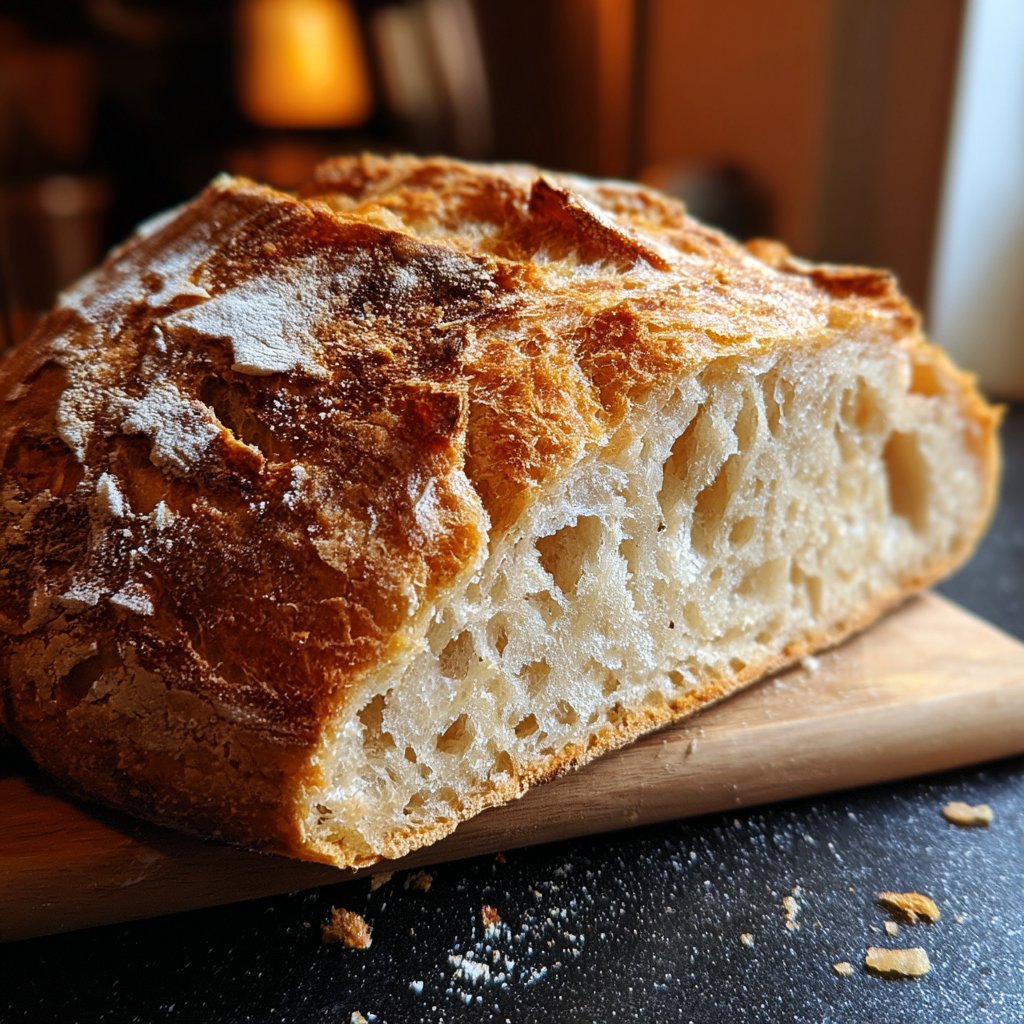
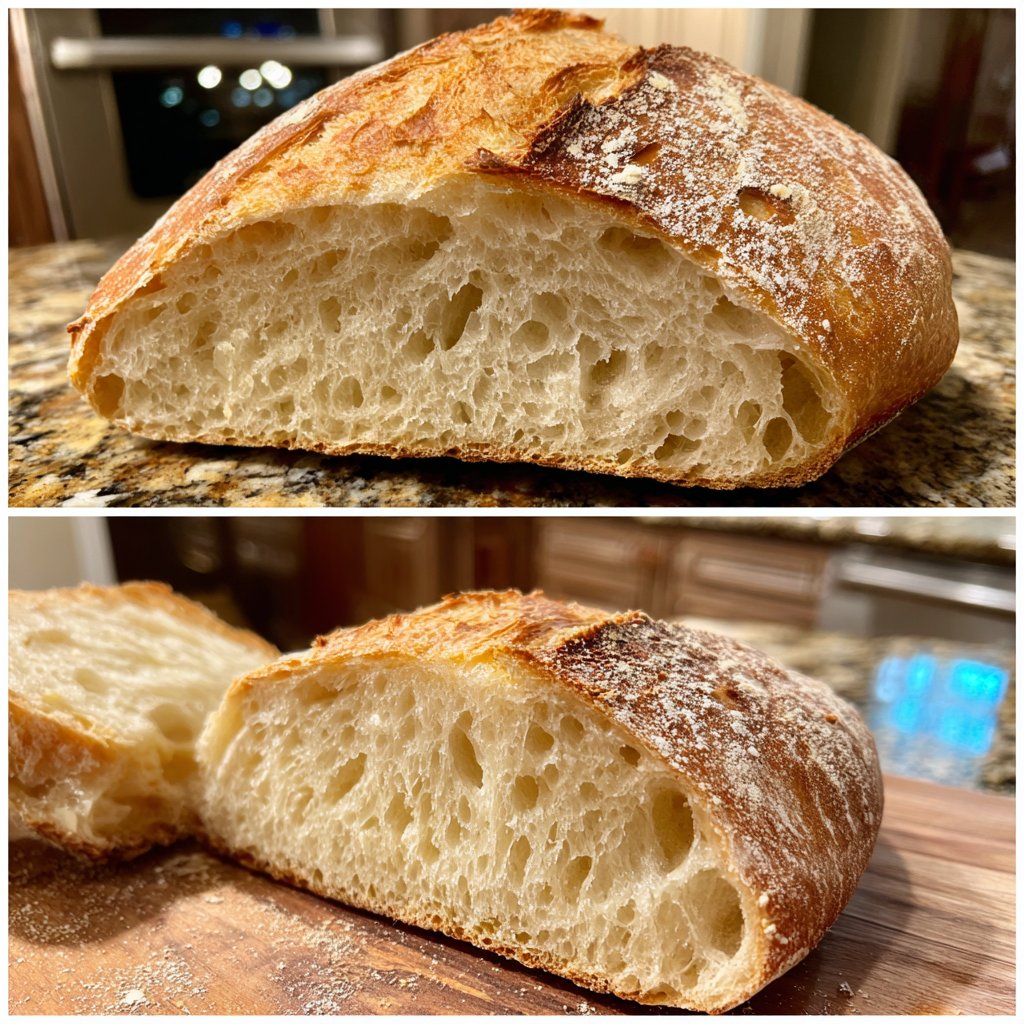
Baking my own bread has become a meditative ritual for me, and I find immense joy in the process. This sweet sourdough loaf is a delightful blend of tangy and sweet flavors, thanks to the natural fermentation process of the sourdough starter. I remember the first time I made it; the crust was golden brown, and the inside was soft and fluffy. The combination of using honey and a touch of cinnamon elevates the flavor profile perfectly.
One tip I can share is to keep an eye on the dough during the fermentation stage. Depending on the room temperature, the rising time can vary, so be flexible and trust your instincts. I’ve learned to judge the dough based on its texture and not just the clock. Plus, letting it rest overnight in the fridge enhances the taste and makes it easier to shape the next day.
Why You Will Love This Recipe
- Irresistible balance of sweet and tangy flavors
- Perfectly soft and fluffy texture with a crunchy crust
- Versatile enough to pair with both sweet and savory toppings
Understanding Your Ingredients
The balance of ingredients in this homemade sweet sourdough loaf is crucial for achieving the desired flavor and texture. Bread flour is essential due to its high gluten content, which provides strength and structure to the loaf. The active sourdough starter is not just a leavening agent; it also contributes to the tangy flavor that distinguishes sourdough. Honey adds sweetness and moisture, enhancing the loaf's overall softness and crumb.
Cinnamon is included for a warm, aromatic quality that pairs beautifully with the tangy notes of sourdough. You can play with the amounts: if you prefer a stronger cinnamon flavor, feel free to increase it, but do so sparingly to maintain balance. Additionally, if you're looking for alternatives, consider using maple syrup or agave nectar as a substitute for honey, though the flavor profile will shift slightly.
The Importance of Rising Times
Allowing your dough to rise properly is critical to developing its flavor and structure. During the first rise, the dough should roughly double in size, which takes around four hours depending on room temperature. Warmer environments speed up fermentation, while cooler spots will slow the process. Therefore, adjust your rising times as needed; you can also place the dough in a warmer spot or even a turned-off oven with the light on to promote rising.
The second rise is just as important, allowing the dough to build even more air pockets. Placing the shaped loaf in a banneton not only supports its shape but also contributes to a better crust during baking. If you're short on time, you can reduce the second rise, but the texture and flavor might not be as developed. Just remember, patience rewards you with a more flavorful and textured loaf!
Baking and Storage Tips
Baking your loaf in a preheated Dutch oven is vital for achieving that perfect crust and soft interior. The initial covered baking creates steam, allowing the loaf to rise beautifully before the crust forms. After the first 30 minutes, removing the lid enhances the crust’s crispiness. You’ll know it’s perfect when the crust is golden brown, and tapping the bottom of the loaf sounds hollow. If the loaf seems undercooked after the time indicated, return it to the oven for an additional 5-10 minutes to ensure it's thoroughly baked.
Once your loaf cools on a wire rack, store it in a paper bag for 1-2 days. For longer storage, consider freezing slices wrapped tightly in plastic wrap. To enjoy, simply toast the slices directly from the freezer; they will regain their delightful texture. This makes it a fantastic make-ahead option for busy mornings or whenever you crave a sweet, tangy treat!
Ingredients
Gather the following ingredients to get started on your delicious homemade sweet sourdough loaf:
Ingredients
- 500g bread flour
- 300ml water
- 100g active sourdough starter
- 50g honey
- 10g salt
- 1 tsp cinnamon
With all your ingredients prepped, you're ready to start baking!
Instructions
Follow these steps to create your scrumptious sourdough loaf:
Mix the Dough
In a large bowl, combine the bread flour, water, sourdough starter, honey, salt, and cinnamon. Mix until a shaggy dough forms.
Knead
Turn the dough onto a floured surface and knead for about 10 minutes until smooth and elastic.
First Rise
Place the dough in a lightly oiled bowl, cover it with a damp cloth, and let it rise for about 4 hours, or until doubled in size.
Shape
Transfer the risen dough onto a floured surface, gently deflate it, and shape it into a round loaf.
Second Rise
Place the shaped dough into a floured banneton or bowl, cover, and let it rise for another 2 hours.
Preheat the Oven
About 30 minutes before baking, preheat your oven to 220°C (450°F) and place a Dutch oven inside.
Bake
Carefully transfer the dough into the hot Dutch oven, cover it, and bake for 30 minutes. Then remove the lid and bake for an additional 15 minutes until golden brown.
Cool Down
Once baked, remove the loaf from the Dutch oven and let it cool on a wire rack before slicing.
Now that you’ve baked your own sweet sourdough loaf, enjoy it fresh with butter or your favorite spreads!
Pro Tips
- For the best flavor, consider feeding your sourdough starter a day before you bake, ensuring it's active and bubbly. Also, don't rush the fermentation process
- allow your dough to rise until it has doubled for optimal results.
Troubleshooting Common Issues
If your dough is not rising as expected, it may be due to the sourdough starter not being active or warm enough. Always ensure your starter is bubbly and fed within the last 4-6 hours before using. If the kitchen is cool, give your dough extra time or find a warmer spot for it to rise, as cooler temperatures can slow down fermentation significantly.
Over-kneading can lead to a dense loaf. While kneading develops gluten, too much can make the dough tough. Watch for a smooth and elastic texture rather than kneading for the clock. If you find this happening often, consider reducing your kneading time and focusing on gentle folding techniques instead.
Serving Suggestions
This sweet sourdough loaf is incredibly versatile, perfect for breakfast or snacking. Try it toasted with a spread of creamy butter and a drizzle of honey, or enjoy it with a dollop of your favorite jam. For a savory option, layer slices with avocado and a sprinkle of salt for a delicious open-faced sandwich.
Leftover slices can also be transformed into delectable French toast. Just soak them in a mixture of eggs, milk, and spices before pan-frying to golden perfection. The slight sweetness of the bread will make for an indulgent breakfast treat that feels special any day of the week!
Questions About Recipes
→ How do I know if my sourdough starter is active?
Your sourdough starter is active if it bubbles and doubles in size after feeding. It should have a pleasant sour smell.
→ Can I use all-purpose flour instead of bread flour?
Yes, you can use all-purpose flour, but bread flour gives a better structure and chew to the loaf.
→ What can I substitute for honey?
You can use maple syrup or agave nectar as a substitute for honey if you prefer.
→ Why do I need to let the dough rest overnight?
Resting the dough overnight enhances the flavor and makes it easier to shape the next day.
Homemade Sweet Sourdough Loaf
Created by: Megan Douglas
Recipe Type: Golden Oven Sweets
Skill Level: Intermediate
Final Quantity: 1 loaf
What You'll Need
Ingredients
- 500g bread flour
- 300ml water
- 100g active sourdough starter
- 50g honey
- 10g salt
- 1 tsp cinnamon
How-To Steps
In a large bowl, combine the bread flour, water, sourdough starter, honey, salt, and cinnamon. Mix until a shaggy dough forms.
Turn the dough onto a floured surface and knead for about 10 minutes until smooth and elastic.
Place the dough in a lightly oiled bowl, cover it with a damp cloth, and let it rise for about 4 hours, or until doubled in size.
Transfer the risen dough onto a floured surface, gently deflate it, and shape it into a round loaf.
Place the shaped dough into a floured banneton or bowl, cover, and let it rise for another 2 hours.
About 30 minutes before baking, preheat your oven to 220°C (450°F) and place a Dutch oven inside.
Carefully transfer the dough into the hot Dutch oven, cover it, and bake for 30 minutes. Then remove the lid and bake for an additional 15 minutes until golden brown.
Once baked, remove the loaf from the Dutch oven and let it cool on a wire rack before slicing.
Extra Tips
- For the best flavor, consider feeding your sourdough starter a day before you bake, ensuring it's active and bubbly. Also, don't rush the fermentation process
- allow your dough to rise until it has doubled for optimal results.
Nutritional Breakdown (Per Serving)
- Calories: 250 kcal
- Total Fat: 1g
- Saturated Fat: 0g
- Cholesterol: 0mg
- Sodium: 10mg
- Total Carbohydrates: 55g
- Dietary Fiber: 2g
- Sugars: 7g
- Protein: 8g